From the Construct Ireland archives


Welcome to the archive of Construct Ireland, the award-winning Irish green building magazine which spawned Passive House Plus. The feature articles in these archives span from 2003 to 2011, including case studies on hundreds of Irish sustainable buildings and dozens of investigative pieces on everything from green design and building methods, to the economic arguments for low energy construction. While these articles appeared in an Irish publication, the vast majority of the content is relevant to our new audience in the UK and further afield. That said, readers from some regions should take care when reading some of the design advice - lots of south facing glazing in New Zealand may not be the wisest choice, for instance. Dip in, and enjoy!

A Breath of Fresh Air
O310-BreathOfFreshAirTITLE.jpg
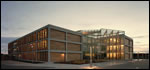
Prestige commercial buildings can place a heavy toll on the environment, typically relying in Ireland on carbon intensive grid electricity to power air conditioning systems throughout the warmer parts of the year and inefficient electric lighting – often all year around. Completed in November 2004, software company SAP’s Galway offices offer a rare opportunity to find out how a natural ventilated and low energy lighting building is working in practice, as John Hearne reveals.
From Rio to here

BRENDAN HOWLIN, T.D., Minister for the Environment (1994-1997) reflects on the blueprints, policies, and commitments that emerged from the Rio Earth Summit and looks at how far we have progressed since

Pass Judgement

Are energy ratings letting down passive houses?
Passive houses have long been considered the ultimate in low energy buildings. So when it comes to BERs, why don’t they always get a straight A? Lenny Antonelli investigates.

International selection

Moy Isover International awards
Innovative low energy construction is rarely recognised on a European scale. The Isover Energy Efficiency Awards are one exception — here are nominations from across the continent that were celebrated at the European awards ceremony in Barcelona on 2 June

Does old mean cold?

Balancing conservation and energy conservation in historic buildings
Historic buildings are all too easy to ignore when considering potential candidates for energy upgrade work. The heritage value of an historic building can often mitigate against the most obvious interventions, such as adding some form of wall insulation or replacing windows. Architect Fergal McGirl takes a typical Georgian building in Dublin through the energy rating process and proposes some considered upgrade measures. 

Passive Resistance

0209passivetitle.jpg
On Tuesday the 15th of March a passive house, a house that does not need to be heated, was built a few miles outside of Galway. The brain child of Lars Pettersson of Galway based Scandinavian Homes Ltd, it is believed to be the world’s first standardized and factory made passive house.

SuDS

0204sudstitle.jpg
Sustainable Urban Drainage System by Padraig Doyle, Brian Hennelly and Don McEntee.

DEAP impact

0302-deapimpacttitle.jpg
At the start of July a key event in the Irish construction industry passed almost entirely unnoticed, with the requirement that the brand new Dwelling Energy Assessment Procedure (DEAP) calculation software be used for all planning applications for new homes with immediate effect. The new tool will be used to calculate Building Energy Ratings (BER) under the requirements of the Energy Performance of Buildings Directive (EPBD). Patrick Daly, lecturer in Environmental Design in the School of Architecture at DIT Bolton St. reveals his view on DEAP and its impact on the industry.

Waste water woes

In light of Ireland’s poor performance in the recent European Environment Agency Report on drinking water quality, the issue of Ireland’s wastewater treatment from one off houses is poised to stay in the spotlight. Construct Ireland’s Pat Kennedy, environmental engineer, investigates.

Sustainability or bust

Sustainability or bust
As if the implications of the unfolding global financial crisis weren’t bad enough, the Irish economy must also contend with the consequences of a banking system exposed to unprecedented property-related debts. Reflecting on the ongoing crisis, Richard Douthwaite explains why investment in local energy innovation may prove the key to improving Ireland’s economic health