From the Construct Ireland archives


Welcome to the archive of Construct Ireland, the award-winning Irish green building magazine which spawned Passive House Plus. The feature articles in these archives span from 2003 to 2011, including case studies on hundreds of Irish sustainable buildings and dozens of investigative pieces on everything from green design and building methods, to the economic arguments for low energy construction. While these articles appeared in an Irish publication, the vast majority of the content is relevant to our new audience in the UK and further afield. That said, readers from some regions should take care when reading some of the design advice - lots of south facing glazing in New Zealand may not be the wisest choice, for instance. Dip in, and enjoy!

Lime hemp

0303-limehemptitle.jpg
Lime-hemp is developing as a bio composite construction material with serious ecological and energy advantages. Patrick Daly, lecturer in Environmental Design at DIT Bolton St. asks if this is the environmental material of the future and explores its mainstreaming potential.

Oil alternatives

Oil alternatives
With oil prices remaining at ominously high levels in spite of sluggish economic growth figures and efforts by the International Energy Agency to release additional capacity, Ireland must act fast to cut oil usage. Why then, has the government withdrawn grants for renewables while continuing to subsidise oil and gas boilers?

SuDS

0204sudstitle.jpg
Sustainable Urban Drainage System by Padraig Doyle, Brian Hennelly and Don McEntee.

Peak timing

Peak timing
As the organisation entrusted by OECD countries to predict future global energy supplies, the International Energy Agency’s projections have significant impact on energy policy around the world. IEA officials recently told The Guardian that the organisation’s figures on oil supply had been inflated and that oil peak is happening. Richard Douthwaite assesses the fall out

Gridlock

0209gridlocktitle.gif
Ireland ’s reliance on fossil fuel sources for electricity generation places the whole country on unstable ground as these limited resources dwindle

Passive attack

CARLOW HOUSES SHOW HOW TO BEAT THE PASSIVE STANDARD
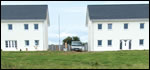
Lenny Antonelli visits a new residential development in rural Carlow that boasts only the second and third certified passive houses in Ireland, and encouragingly, finds that meeting and exceeding the coveted passive standard wasn’t as difficult as expected.

Laughing Stock

Patrick Daly  highlights that the energy refurbishment of our existing housing stock must become a priority
Patrick Daly  highlights that the energy refurbishment of our existing housing stock must become a priority. Daly has undertaken a retrospective DEAP case study assessment of an example house and its BER ratings, with staggering results.

Sustainability or bust

Sustainability or bust
As if the implications of the unfolding global financial crisis weren’t bad enough, the Irish economy must also contend with the consequences of a banking system exposed to unprecedented property-related debts. Reflecting on the ongoing crisis, Richard Douthwaite explains why investment in local energy innovation may prove the key to improving Ireland’s economic health

Force of Habit

Limerick convent keeps faith in green design
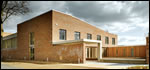
Two years ago Construct Ireland ran a case study on Mater Orchard, a Mercy Sisters convent building that successfully balanced cutting edge technologies with pragmatic green design. Such was the success of that building, its architects were commissioned by Mercy Sisters in Limerick to repeat the feat. John Hearne visited the freshly completed building to find out how they fared

Saving Plan

0302-savingplantitle.gif
Fingal County Council have clearly shown a laudable commitment to innovation by introducing a mandatory planning requirement for seven areas that all new developments reduce energy use and C02 emissions relating to space & water heating to 60% below Building Regulations requirements, with 30% of space & water heating coming from renewable energy sources