From the Construct Ireland archives


Welcome to the archive of Construct Ireland, the award-winning Irish green building magazine which spawned Passive House Plus. The feature articles in these archives span from 2003 to 2011, including case studies on hundreds of Irish sustainable buildings and dozens of investigative pieces on everything from green design and building methods, to the economic arguments for low energy construction. While these articles appeared in an Irish publication, the vast majority of the content is relevant to our new audience in the UK and further afield. That said, readers from some regions should take care when reading some of the design advice - lots of south facing glazing in New Zealand may not be the wisest choice, for instance. Dip in, and enjoy!

Acquired taste

Acquired-Taste
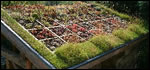
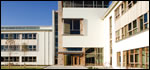
The Department of Agriculture’s new Food Safety Centre is a deceptively simple building that combines natural ventilation and lighting with energy efficiency - all on a designed natural landscape that seeks to both boost biodiversity and prevent flooding. Lenny Antonelli visited the County Kildare site to find out more

Winning Combination

0311-WinningCombinationTITLE.jpg
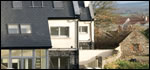
A new development in the historic town of Thomastown, County Kilkenny brings the cutting edge of green innovation into a setting known for its medieval heritage. John Hearne visited the site, where a commitment to the environment is evident in sustainable design combined with everything from airtight detailing to technologies such as factory insulated timber frame, low energy windows, solar thermal, photovoltaic and heat recovery ventilation

The Potential of Renewable Energy

Bernd Reinhard, Deputy Executive Director of the GICIC outlines the potential that fast emerging renewable technologies possess to revolutionise Ireland’s energy supply, from wind power’s capacity on a national level, to the benefits the likes of solar and geothermal can offer proactive homeowners
The German-Irish Chamber of Industry and Commerce (GICIC) has just completed a study titled “The Potential of Renewable Energy in Ireland”.
Based on the study’s findings, Bernd Reinhard, Deputy Executive Director of the GICIC outlines the potential that fast emerging renewable technologies possess to revolutionise Ireland’s energy supply, from wind power’s capacity on a national level, to the benefits the likes of solar and geothermal can offer proactive homeowners

Energy Performance of Buildings Directive

0210EPBDtitle.jpg
As the January 2006 deadline for implementation of the EU Directive on the Energy Performance of Buildings draws ever nearer, the Irish Government has spelt out its plans to delay the across the board introduction of building energy ratings until 2009. But how does this compare to other EU Member States?

Saving grace

0406-Saving-Grace-SMALL.jpg
The government recently announced a fund of e100 million for energy upgrading Irish houses in 2009, to be divided equally between low income and middle income earners. Focusing on the latter, Jason Walsh looks at the details of the Home Energy Saving scheme and speaks to key figures in the industry to get their views on the ingredients needed to make the scheme a success

Radon

0203radontitle.jpg
Up to 150,000 workers are at potential risk of developing fatal lung cancer as a result of exposure to dangerously high levels of radiation, while a leading radon expert has cited ‘widespread confusion amongst employers’ regarding their legal requirements.

Force of Nature

0304-forceofnaturetitle.jpg
In this adapted extract from his new book Natural Building: A Guide to Materials and Techniques, seminal eco architect Professor Tom Woolley outlines some of the reasons why natural building is necessary.

Capital L

Capital L
With the goal of achieving zero carbon standards for new homes by as soon as 2013, environment minister John Gormley has committed to introducing 60 per cent energy and carbon reductions under changes to part L of the building regulations next year. John Hearne spoke to leading industry figures to find out how the revised regulation could raise standards for both new and existing homes.

Neutral Ground

0308-neutralgroundtitle.jpg
Watford, just over 30 kilometres north of London, is now home to an aspirational new house, developed by an Irish company, designed to completely remove carbon emissions from the home. Jason Walsh visited the site to learn more

All systems go

0406-All-Systems-Go-SMALL.jpg
Some buildings, by their nature, tend to have larger energy requirements. Occupied around the clock, with occupants who feel the cold, nursing homes are a case in point. John Hearne visited a north Dublin building where a range of different sustainable technologies operate in tandem to deliver the residents’ heating and hot water requirements