From the Construct Ireland archives


Welcome to the archive of Construct Ireland, the award-winning Irish green building magazine which spawned Passive House Plus. The feature articles in these archives span from 2003 to 2011, including case studies on hundreds of Irish sustainable buildings and dozens of investigative pieces on everything from green design and building methods, to the economic arguments for low energy construction. While these articles appeared in an Irish publication, the vast majority of the content is relevant to our new audience in the UK and further afield. That said, readers from some regions should take care when reading some of the design advice - lots of south facing glazing in New Zealand may not be the wisest choice, for instance. Dip in, and enjoy!

The Lay of the land

0309-layofthelandTITLE.jpg
The unprecedented development seen in Ireland in the Celtic Tiger years was fueled by the availability of cheap, abundant fossil energy. As the boom ends, the state is attempting to boost the economy with investment in larger than ever infrastructural projects which will not benefit many of the tax payers who are funding them, and crucially don’t recognize the extent to which peak oil production will affect their viability, as Richard Douthwaite reveals.
Papered Over

Richard Douthwaite reveals that oil and gas peak are barely mentioned in the Government's recent energy Green Paper.

Modernist mountain house does passive with style

In the hands of the right architect, meeting the passive house standard needn’t involve compromising on design. Construct Ireland visited a recently certified passive house which shows that a seamless low energy architecture is possible

Out of the Woods

0305-longfordhousingtitle.jpg
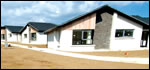
Many of the opportunities that trees offer for sustainable building are harnessed by a housing development in Ballymahon, Co. Longford which combines timber frame construction with recycled newspaper insulation and wood pellet heating. Adding in solar panels and attention to detail for airtightness, these low energy, low carbon homes reveal a developer who sees a bright future in going green. John Hearne visited the site to find out more.

Apartments for Life

0306-springhousegardenshowtitle.jpg

Jason Walsh spoke to David Smith of O'Mahony Pike Architects about the practice's uniquely-designed show apartments for this year's Myhome.ie Spring House and Garden exhibition.

Zero carbon

Zero Carbon
Nottingham passive house enters Solar Decathlon

Going Underground

Geothermal heating is being specified by everyone from self-builders to developers to local authorities in increasing frequency across Ireland. As a relatively new technology in Ireland, it is crucial that anyone considering a geothermal system knows what they are getting into, to ensure an efficient, reliable heating source.

With over 20 years experience in this field in Ireland, Dr Paul Sikora, Vice Chairman of the Geothermal Association of Ireland explains what issues to be aware of when considering geothermal, from site suitability, to what to look for from suppliers and installers.

Modern Age

0309-modernagetitle.jpg
Creating the right comfort in buildings for elderly people involves ensuring a warm internal environment, which typically results in high energy consumption. John Hearne visited the new Castle Gardens Retirement Village as it approached completion and found a project that combines complimentary low energy technologies, materials and design to deliver high levels of comfort whilst also keeping running costs, energy consumption and carbon emissions low

Bank on Expensive Oil

PROPERTY LENDING & A CHANGED ENERGY LANDSCAPE
World record oil prices are being shattered so regularly that breaking news stories on the matter seem cliché, with other fossil energy sources heading in the same direction. Richard Douthwaite describes the first significant signs that Irish banks may be starting to take the issue on board regarding property lending.

Work of DART

0212schooltitle.jpg
The groundbreaking Gaelscoil an Eiscir Riada, Tullamore, Co. Offaly was the first project to comprehensively draw from the Department of Education & Science’s DART (Design Awareness Research and Technology) programme, delivering a sustainable research project on school design.