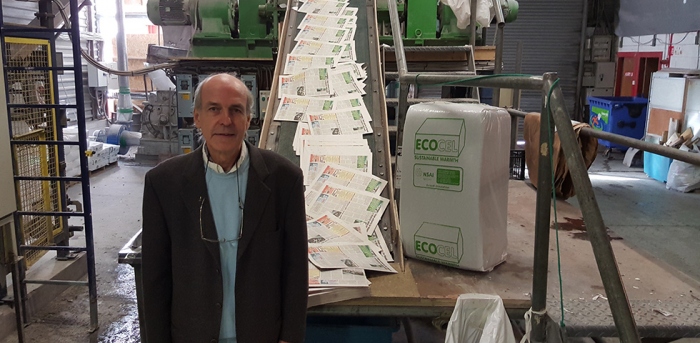
Ecocel praises Cork City Council’s cellulose approval
Cork City Council has added cellulose to its list of approved insulation products for its social housing attic upgrades.
Cork City Council has added cellulose to its list of approved insulation products for its social housing attic upgrades.
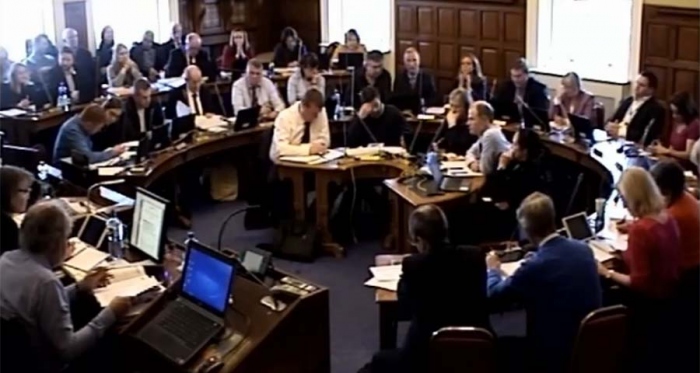
All new buildings in south-east Dublin must be built to the passive house standard or demonstrably equivalent levels, in a move that may lead to the construction of upwards of 20,000 passive houses by 2022.
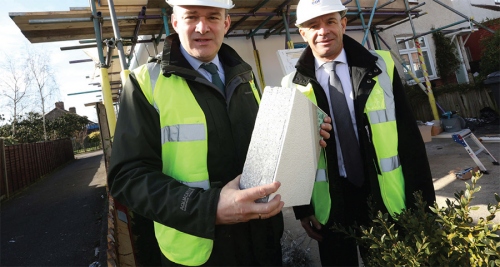
The Association for the Conservation of Energy (Ace) has described as “scandalous” the Chancellor’s announcement of a 42% cut in the help available to households living in “dangerously” cold homes.
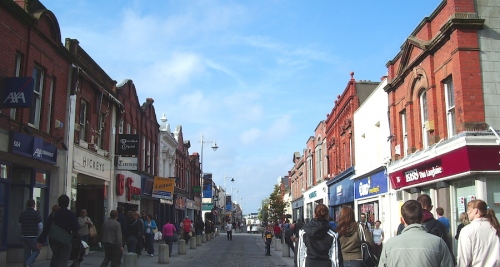
Dún Laoghaire–Rathdown County Council has voted emphatically to make the passive house standard mandatory for new buildings. At a meeting on Tuesday night, councillors voted by 26 votes to 13 in support of putting the clause in the local authority’s development plan for 2016 to 2022.
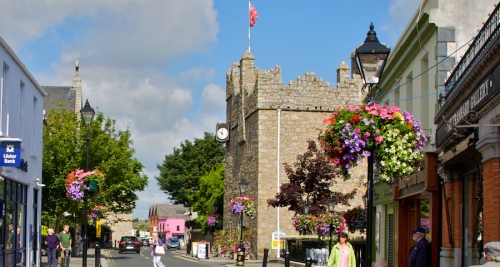
Leading businesses in the building materials sector — including semi-state timber company Coillte and insulation manufacturer Kingspan — have declared their support for plans by Dún Laoghaire Rathdown County Council to make the passive house standard mandatory for new buildings.
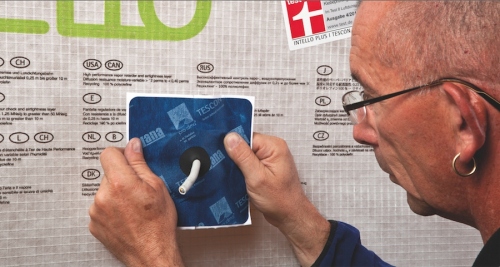
There is a great urgency, as Europe moves closer to the 2020 energy efficiency targets, to develop a skilled workforce that can work together to deliver low-energy projects. One EU initiative, Build Up Skills, has been designed to “stimulate the training of craftspeople and other on-site workers in the building sector on the topics of energy efficiency and renewable energy.”
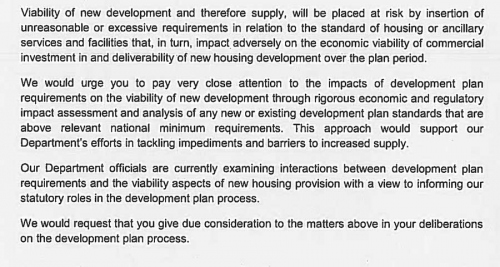
The Department of the Environment has written to Dublin’s local authorities warning against adopting higher quality housing standards – and threatened to overrule Dún Laoghaire-Rathdown’s proposal to mandate the passive house standard – in correspondence obtained by Passive House Plus magazine.
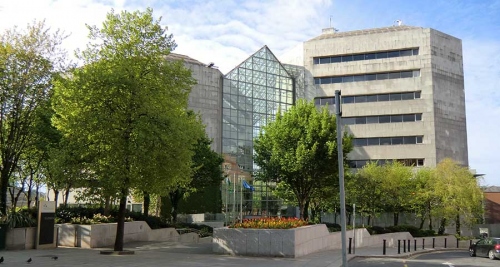
Dublin City Council has passed a motion so that new buildings in the city must be constructed to the passive house standard. The measure was agreed at a council meeting on Tuesday to discuss the drafting of the new Dublin City Development Plan for 2016-2022.
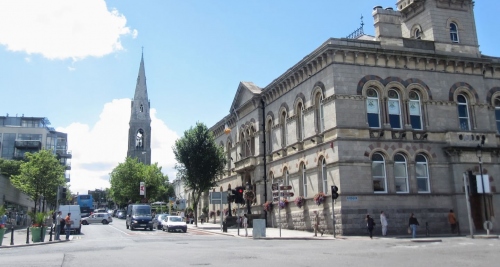
Dun Laoghaire-Rathdown County Council’s proposal that all new buildings in the county must be passive houses or nearly zero energy buildings (NZEBs) is currently out to public consultation till 11 May. But what is this proposal all about, and what are the implications?
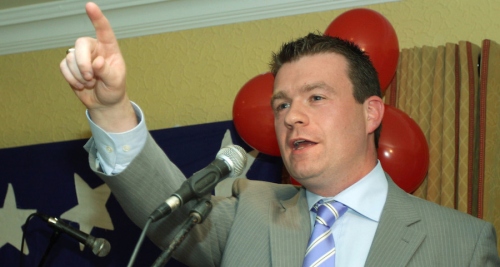
The government has announced that it plans to invest over €1.5 billion in local authority housing up until the end of 2017.
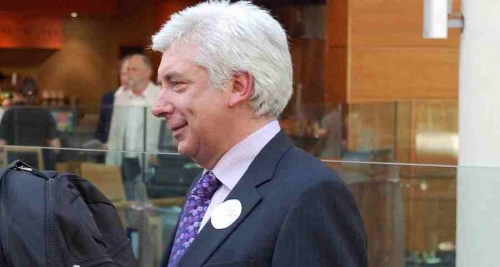
Irish minister for energy Alex White has announced a boost in the level of grants available to householders who want to undertake energy efficiency improvements. The cash value of every grant available to householders under the Better Energy Homes Scheme has been increased by between 25 to 50%. In addition, a bonus payment has been introduced which will see householders receive bonus payments if they complete three or more energy efficiency improvements.
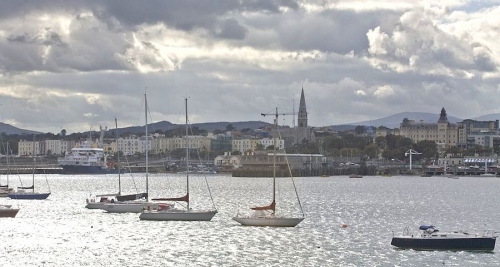
Passive House Plus analyses Dún Laoghaire-Rathdown County Council's plan to make the passive house standard mandatory for all new buildings in the district.
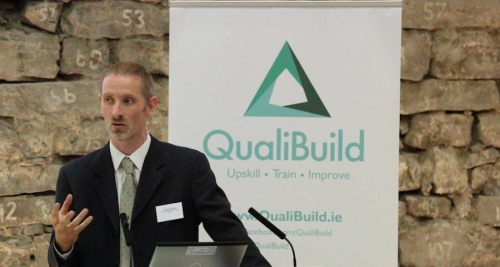
Dublin’s old city wall in Woodquay provided the backdrop on Wednesday 15 October to a conference, titled 'Better Than Best Practice', on the urgent need to upskill the Irish construction industry.
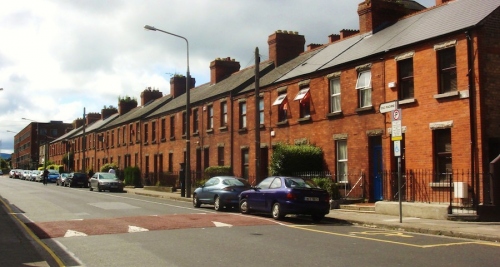
The majority of homes in Dublin city have a Building Energy Rating (BER) of D1 or lower, according to figures released by Dublin’s energy agency Codema.

The supply of housing could double within two years if the government were to follow seven simple steps, according to the Construction Industry Federation. The CIF has suggested that these measures could see 20,000 housing units built a year by 2016, curtailing the excessive prices rises in the Dublin housing market.
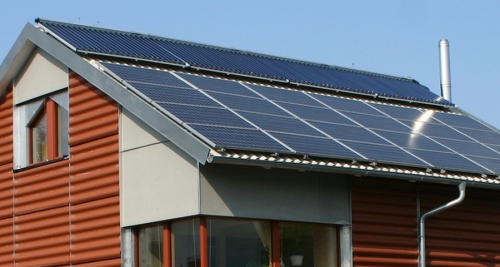
The Passive House Institute is set to launch details of Passive House Plus and Passive House Premium - two new categories of building certification designed to add microgeneration of energy into the world's leading low energy standard.
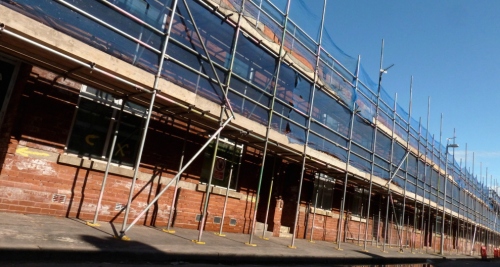
SEAI last week announced that Better Energy Homes, its home energy upgrade grant programme, would continue through 2014.
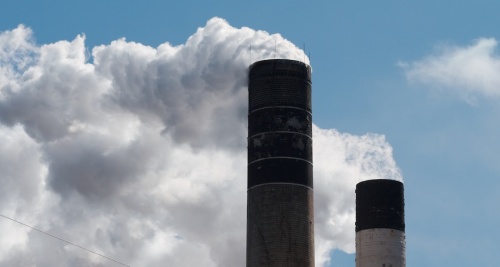
Pressure from sectors of the building materials industry last November forced a delay in the publication of a database detailing the carbon footprint of building materials in Ireland, Passive House Plus can reveal.
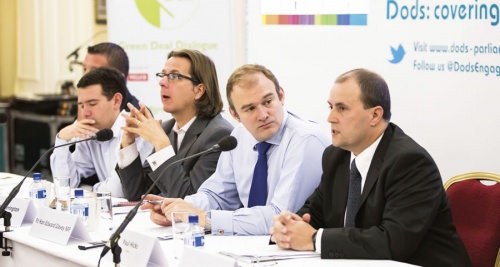
Velux has warned that if the British government's 'green deal' fails to win the confidence of consumers it could be a "kick in the teeth" for the energy efficiency retrofit market. The green deal will allow homeowners to pay for energy upgrades via loans paid back through their energy bills.
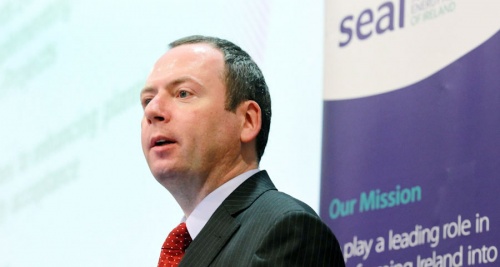
Dr Brian Motherway has been appointed chief executive officer of the Sustainable Energy Authority of Ireland (SEAI). Motherway joined SEAI in 2006 and has recently held the role of chief operations officer. He holds bachelor and master's degrees in chemical engineering and a PhD in Sociology.