
person_outline

Website URL: http://www.passivehouseplus.ie
Tuesday, 03 November 2015 10:59
Longford self-build goes certified passive
Three years ago quantity surveyor Ross Cremin set out from scratch with the goal of self-building a passive house on a site in rural County Longford. Here he tells the story of his project and offers advice for others thinking of building their own passive house.
To read the full article, click here (Irish edition) or here (UK edition).
Published in
Galleries
Tagged under
Tuesday, 03 November 2015 10:53
International selection - issue 13
This issue’s pick of international passive house projects includes an apartment block in China, social housing in Finland, an ambitious retrofit in New York, and an exciting new urban passive house district in Germany.
Published in
Galleries
Tagged under
Monday, 02 November 2015 14:27
International selection - issue 9
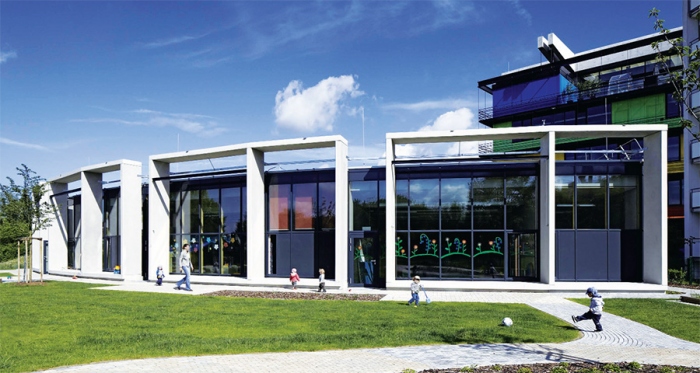
This issue’s selection features ultra low energy buildings from Mexico, Germany, New Zealand and Italy, and illustrates how widely the energy efficiency specification can vary in different climate zones.
Published in
International
Tagged under
Friday, 30 October 2015 15:06
International selection - issue 7
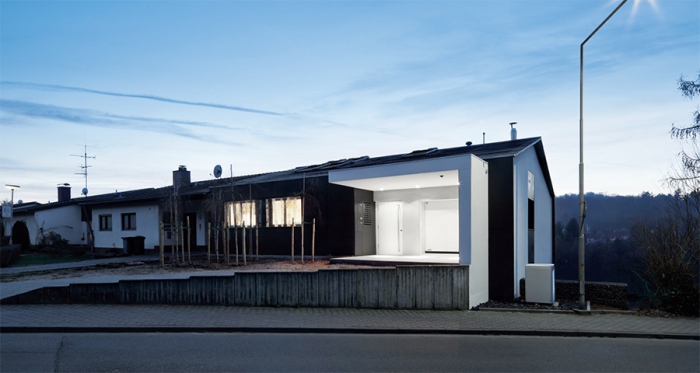
This issue’s Eurocentric selection is drawn from the International Isover Energy Efficiency Awards, including a German renovation that generates an energy surplus, a Danish nature reserve, a Romanian Solar Decathlon entry and a Polish church.
Published in
International
Tagged under
Thursday, 29 October 2015 11:22
International selection - Issue 8
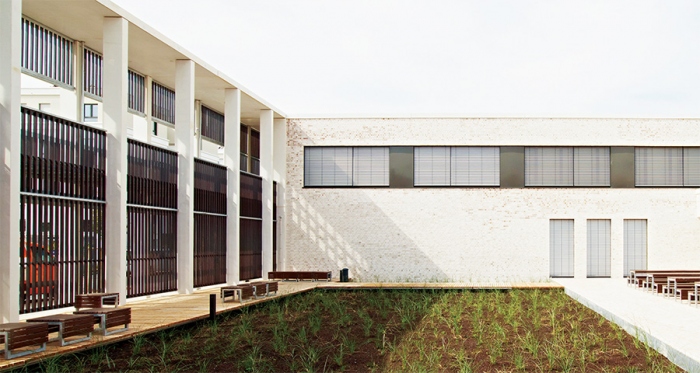
This year’s international Passive House Awards featured 21 projects — out of about 100 entries — across six different categories, with shortlisted projects coming from across Europe plus New Zealand, South Korea, and the United States. In this issue’s international section, we pick four buildings from an exceptional selection.
Published in
International
Tagged under
Tuesday, 27 October 2015 15:16
International - issue 6
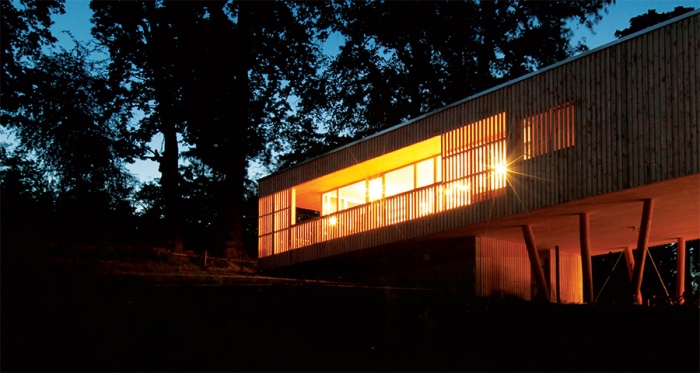
This issue’s selection of international buildings include Spain’s first passive houses built from straw bales, an architecturally striking energy-plus office building in Denmark, and an Austrian family home that marries ecology, comfort and delightful design.
Published in
International
Tagged under
Wednesday, 02 September 2015 11:07
International - issue 5
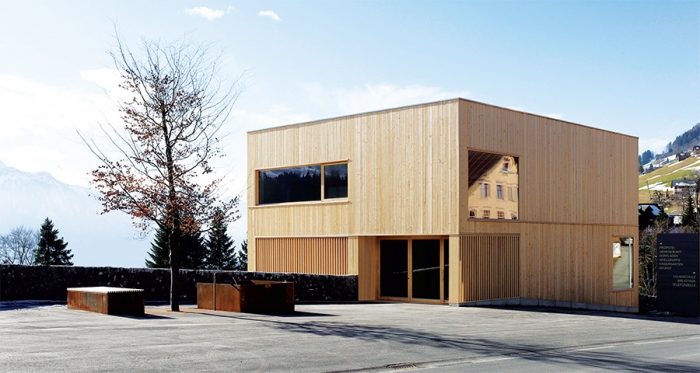
This issue’s selection includes an Estonian space-saving modular build that would see its space heating
demand fall by eight if built in Dublin’s climate; a family home on a tight site that became Seattle’s first
passive house; an ultra low energy Italian timber box that acts as a confident, sustainable response to a
natural disaster; and a passive community centre in the Austrian Alps that makes stunning use of timber.
Published in
International
Tagged under
Tuesday, 01 September 2015 09:51
Pat Doran Construction
Advertising in Passive House Plus has generated an interest in our company which is far beyond any of our previous experience with advertising. 50% of tenders we now receive come directly from the magazine which has doubled our client base in the past few months. All of them are from genuine clients leading us to securing a number of new contracts.
Paul Doran: Pat Doran Construction Ltd
Paul Doran: Pat Doran Construction Ltd
Published in
Testimonials
Tagged under
Monday, 17 August 2015 13:25
West Cork passive farmhouse mixes build methods
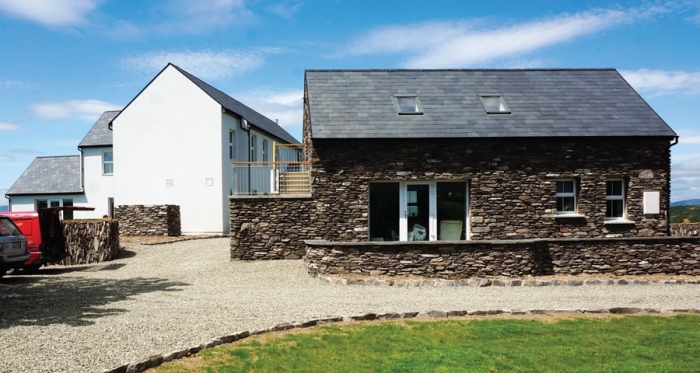
This striking new build passive house combines a traditional farmhouse form with ultra-low energy performance and a spectacular location — using two different forms of masonry construction.
Published in
Galleries
Tagged under
Monday, 17 August 2015 15:23
Enerphit upgrade breathes new life into Dublin home
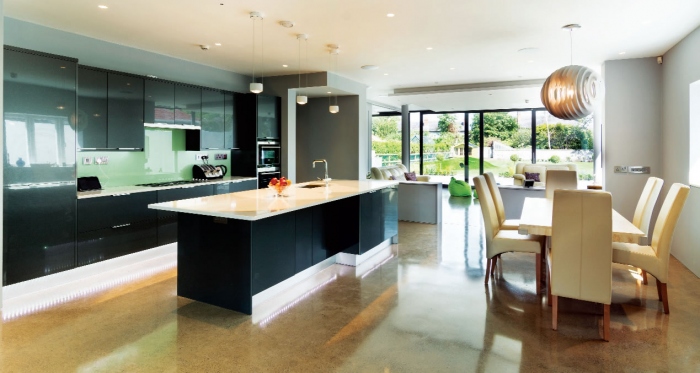
This ambitious and complicated project — a partial upgrade, partial rebuild of an old detached property in south Dublin — is on course to achieve the onerous Enerphit standard for retrofit.
Published in
Galleries
Tagged under
Page 20 of 28