
EU proposes gas demand reduction plan till spring
As Russia weaponises gas exports, the European Commission has proposed a gas demand reduction plan, to cut use in Europe by 15 per cent until next spring.

As Russia weaponises gas exports, the European Commission has proposed a gas demand reduction plan, to cut use in Europe by 15 per cent until next spring.
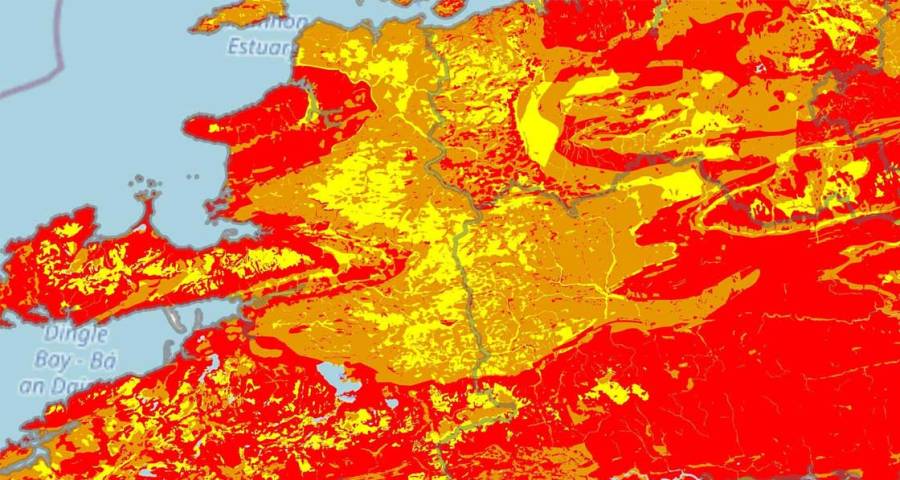
New radon maps, launched by the Environmental Protection Agency today at the National Radon Forum, show an increased risk from radon in Ireland, with 170,000 homes now predicted to be at risk of radon exposure above the national reference level.
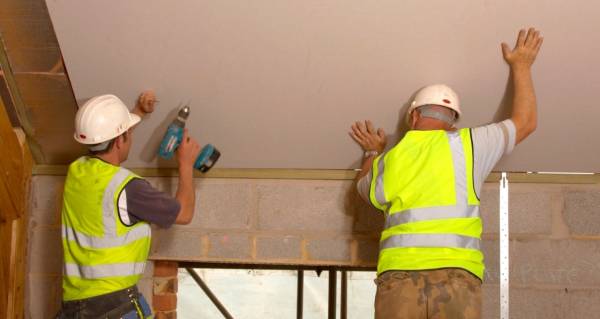
The Irish government has announced significant new grants designed to make it “easier and more affordable” for homeowners to undertake home energy upgrades.

Ireland’s new climate action plan, which was published on Thursday 4 November, contains the country’s first official targets for limiting the embodied carbon of construction materials.

The Department of Housing has come under criticism for draft guidelines which would prevent local authorities from setting sustainable building targets for buildings as a planning condition, with the passive house standard and low carbon cement directly referenced.



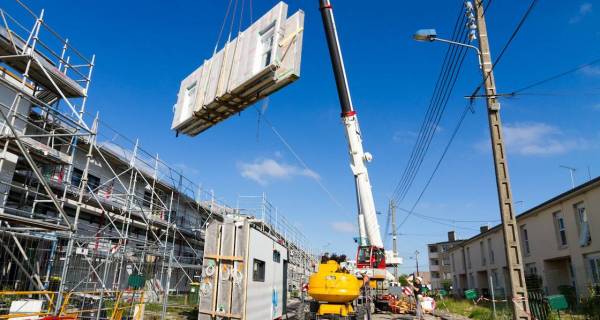
The UK's net-zero carbon target for all homes by 2050 is unlikely to be met without a major overhaul of the current energy certification system, MPs have warned.
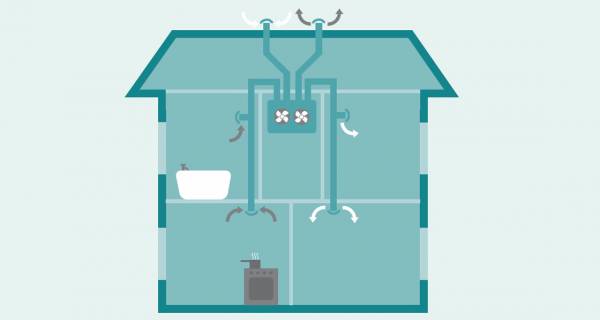
The need for decisive movement on deep retrofit has never been more pronounced, given the twin needs for urgent, radical action to tackle the climate crisis and jobs-intensive stimulus at a time of great uncertainty caused by the pandemic. In the following statement, the Department of Communications, Climate Action and Environment sheds light on its progress in delivering on the government’s deep retrofit pledges.
The government is building cross-party retrofit commitments to ensure a long-term and continuous programme of retrofit work, Passive House Plus has learned.

RIBA has published a report urging the government, local authorities and the wider construction sector to adopt post-occupancy evaluation as standard practice to ensure all new buildings meet intended energy efficiency ratings and provide optimum value for money.
A new campaign is aiming to encourage more sustainable property refurbishment through tax incentives for people to adopt passive, or near passive, building standards.

Advice also calls for upskilling for retrofit & low carbon heating
The proposed programme for government agreed by Fianna Fáil, Fine Gael and the Green Party contains a commitment to upgrade at least 500,000 homes to a B2 energy rating by 2030, among a series of commitments on the built environment.

An Post has announced the launch of a new "green hub" providing end-to-end project management and money-saving advice for all levels of home retrofitting, along with a low-cost loan rate. The state-owned company said that this one-stop-shop approach will cover loan-only or full retrofit services, from initial home assessments to completed works, along with SEAI grant application and payment process.


Rights allowing the conversion of commercial buildings into dwellings, without planning permission, are potentially creating unhealthy living conditions.
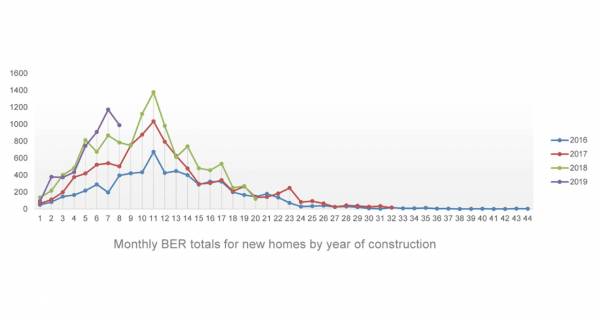
Significantly more new homes (16.5%) were built in Ireland in the first eight months of 2019 compared to the same period in 2018 – with double digit declines in Dublin cancelled out by strong growth in the rest of the country, new analysis by Passive House Plus indicates.

The British Blind & Shutter Association (BBSA) has challenged what it described as the defacto banning of shading on tall glass buildings in Part B of the building regulations, and is seeking a judicial review on several points, principally that the regulation is misconceived as it focusses on combustibility rather than flammability