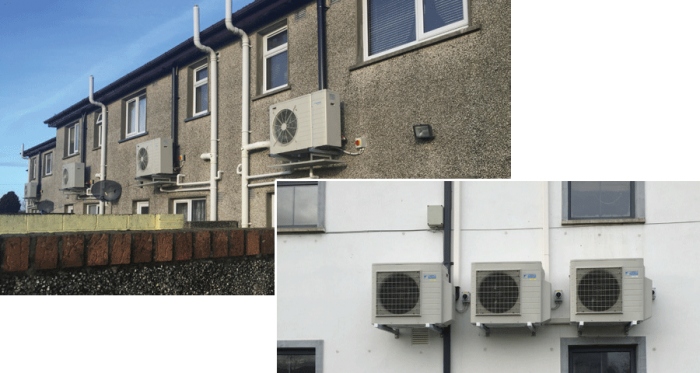
Daikin delivers warmth & comfort for social housing retrofits
Heat pumps from leading manufacturer Daikin have recently been installed in social housing retrofit projects across the country, helping to cut bills and improve comfort for occupants.

Heat pumps from leading manufacturer Daikin have recently been installed in social housing retrofit projects across the country, helping to cut bills and improve comfort for occupants.
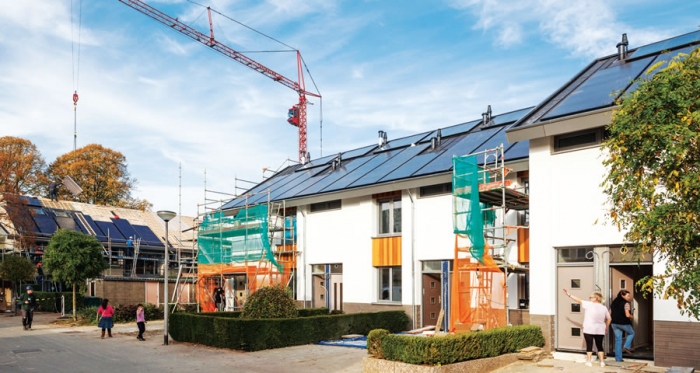
The Energiesprong initiative is planning to deliver drastic energy upgrades to over 100,000 homes in the Netherlands using a wildly ambitious approach to retrofitting the country’s building stock. Now the organisation has moved to the UK, where it is hoping to undertake its first projects next year.
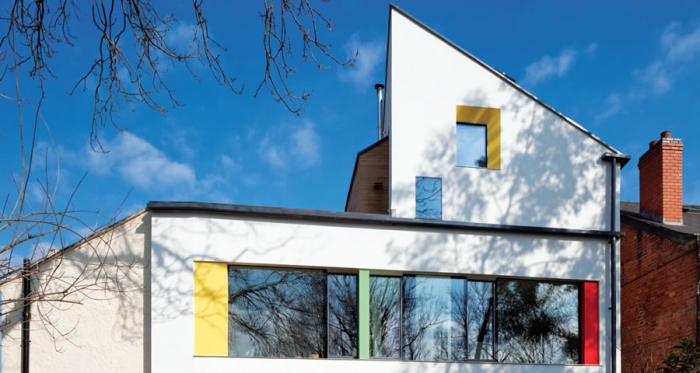
This pioneering upgrade project, completed in 2009, turned a Victorian redbrick in Birmingham into one of the UK’s greenest homes. Along with a much wider ecological agenda, the house employed fabric first principles of insulation and airtightness, and met passive house design targets at a time when the standard was still in its infancy in the UK.
It’s taken Mick Kiernan more than 10 years to upgrade his Cork bungalow, and it’s still not finished. But along the way he discovered the passive house standard and let its principles guide his way towards a warm, airtight and healthy home.
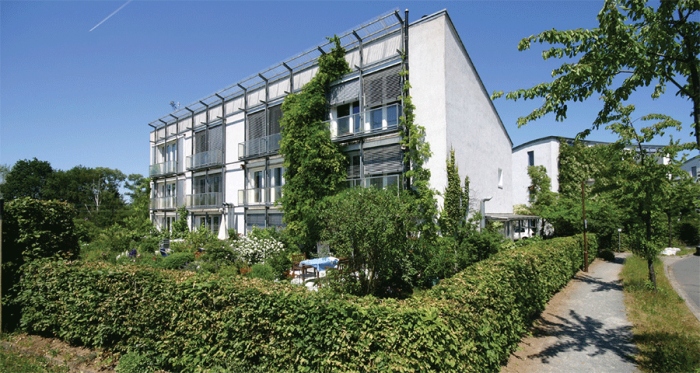
Passive house is now 25 years old, and to celebrate this, the International Passive House Conference is returning to Darmstadt – the German city in which this success story began.
The upgrade of two social housing blocks in Manchester to the Enerphit standard demonstrates how deep energy retrofit can play a part in turning old, run-down estates into vibrant, comfortable, low energy communities.
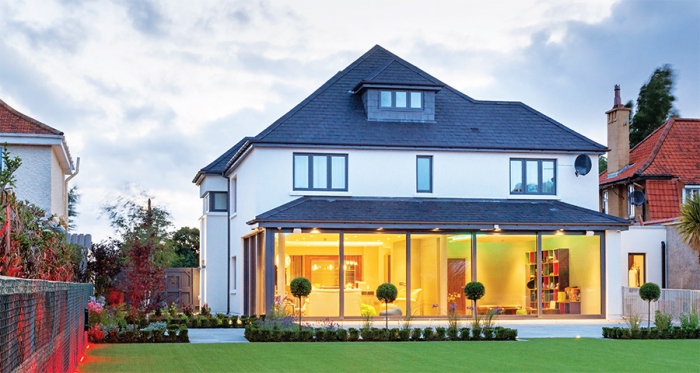
This ambitious and complicated project — a partial upgrade, partial rebuild of an old detached property in south Dublin — is on course to achieve the onerous Enerphit standard for retrofit.
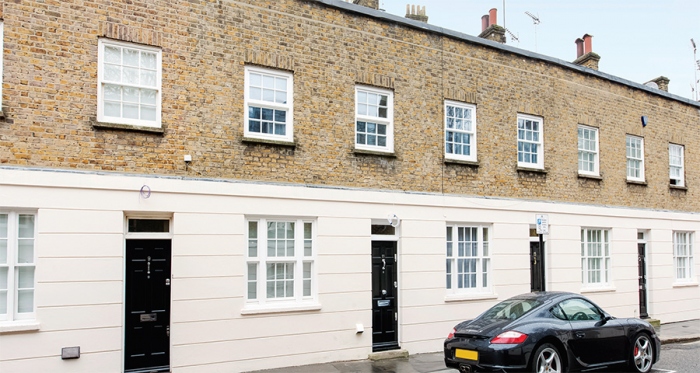
Grosvenor’s upgrade of two historic properties in Belgravia brings high-end passive housing to Westminster.
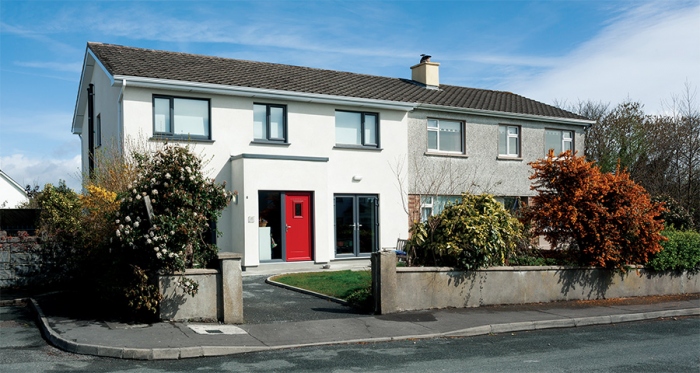
This 1960s Galway home was turned into a passive house - and is costing just €55 per year to heat.
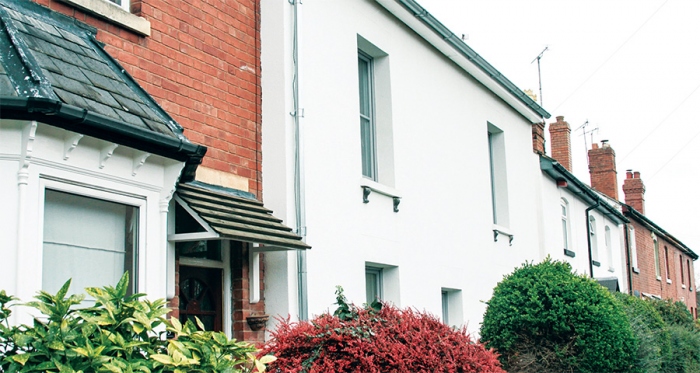
Six years after it was completed, Passive House Plus takes a look at a pioneering low energy upgrade that went on to become the UK’s first certified Enerphit project, to find out how it has performed — and what lessons have been learned.
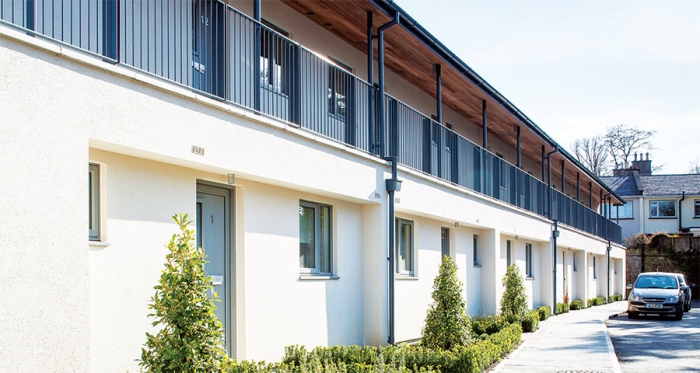
Built in the 1970s, Rochestown House was a cramped, cold and damp social housing block in Sallynoggin, Co Dublin that has now been completely transformed, thanks to a deep energy retrofit inspired by passive house principles.
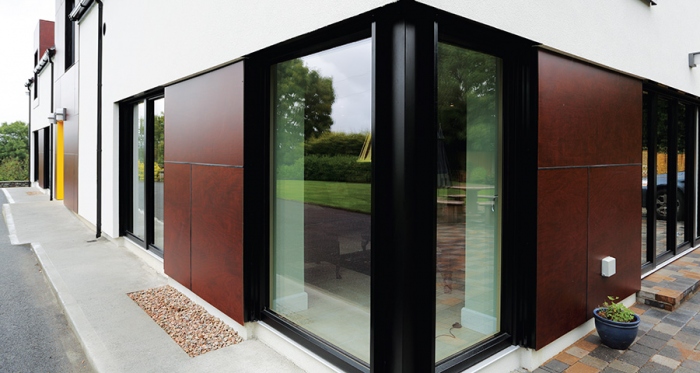
A passive retrofit in Co Meath offers a template that could be applied across much of the Irish housing stock: a long, dark, 1970s bungalow was transformed into a bright modern home that’s now warm and comfortable.
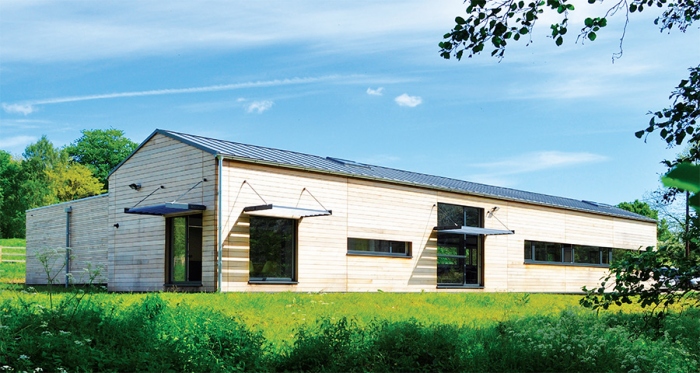
When Sjölander da Cruz Architects sought to turn an old abestos-clad shed into the firm’s new studio, it offered the perfect opportunity to put an enthusiasm for passive house design into practice.
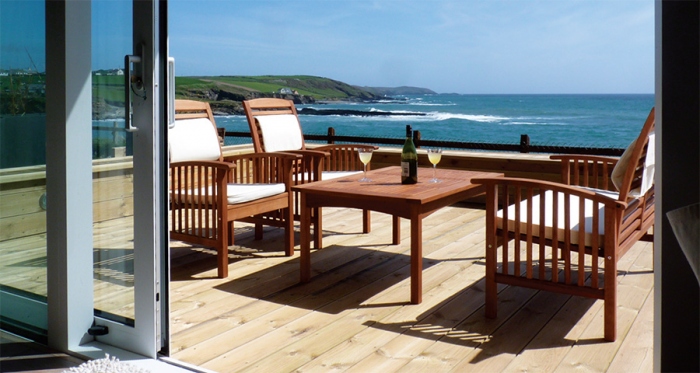
If you’ve ever wanted to take a passive house for a road test, one holiday letting on the coast of west Cork may be too good an opportunity to turn down. The aptly named Sea Spray – an as yet uncertified Enerphit upgraded bungalow – is a bona fide triumph in the face of adversity.
Hitting Enerphit – the passive house standard for retrofits – wasn’t challenging enough for one Yorkshire retrofit project. The team also had to stop the building falling down, and avoid wholesale changes to the building’s external appearance.
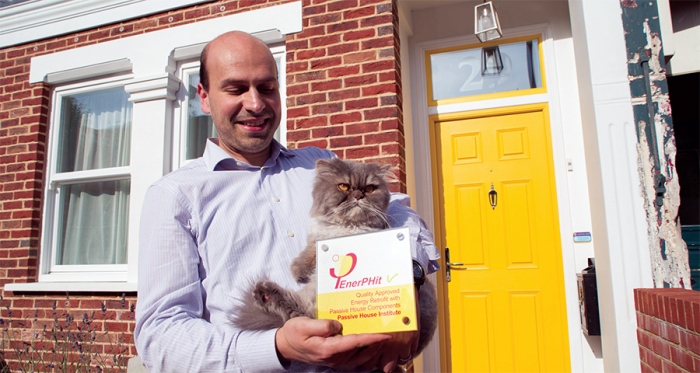
There was a time when insulating an historic property meant treading lightly on its building fabric. But today, guided by building physics, passive house designers continue to push the boundaries of retrofit by bringing old homes up to modern standards of super-insulation. This project is the third such deep retrofit to an historic London property by Green Tomato Energy.
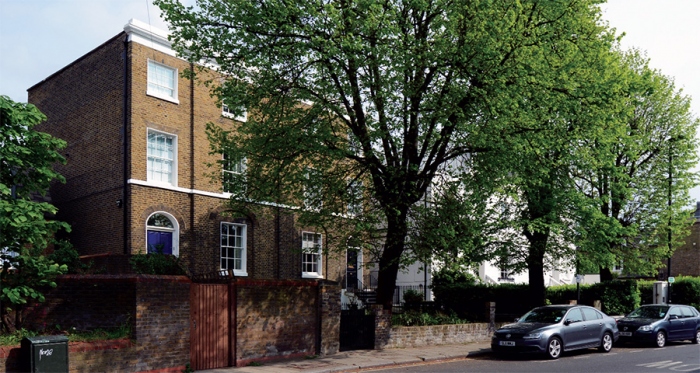
The general consensus is that it’s not appropriate to upgrade historic buildings to avant garde energy efficiency levels, creating a sense that conservation of the natural and built environments may be mutually exclusive concerns. Not so, argue Arboreal Architecture’s Harry Paticas and passive house engineer Alan Clarke in an updated version of a paper presented at the 2014 International Passive House Conference, about a highly experimental upgrade to a London townhouse that may point to a sustainable solution.
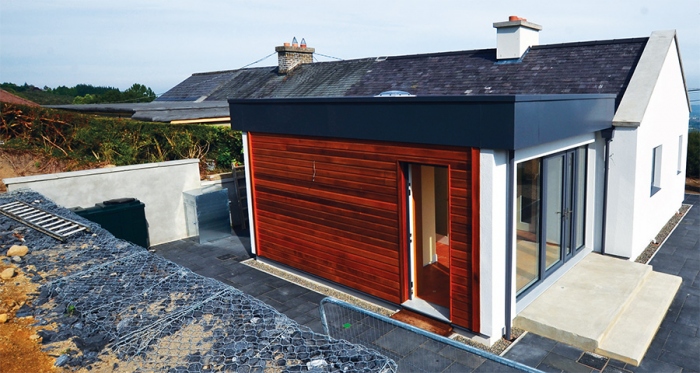
Some buildings are beyond saving, such as a south Dublin cottage which had to be knocked to deliver the first phase of a sleek new low energy home.
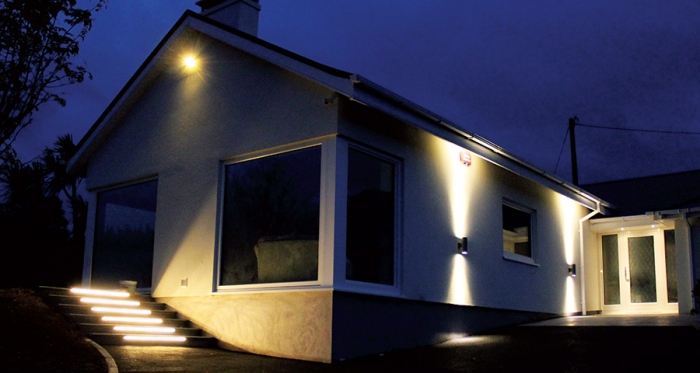
This upgrade and extension to a rural home in County Cork cut its energy use by almost 90%, bringing it to the cusp of an A1 Building Energy Rating.
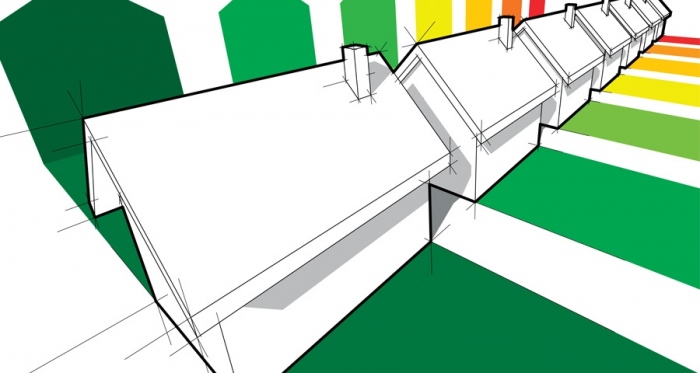
Tipperary Energy Agency has announced the launch of its Superhomes pilot project, which is seeking 20 suitable homes anywhere in Ireland to undertake an energy retrofit. The works will be financed by the Better Energy Scheme and run in conjunction with AIB and Electric Ireland.
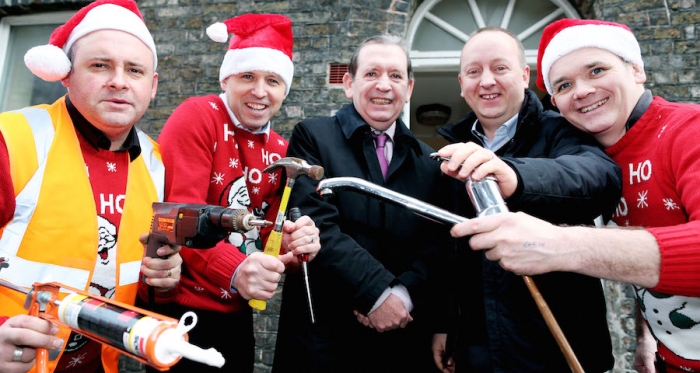
Saint Gobain, the global building materials supplier, has announced that it will donate €100,000 to the Peter McVerry Trust. The money will be used to refurbish six apartments in a disused building on Pim Street in Dublin 8. The project will be complete by February 2015.
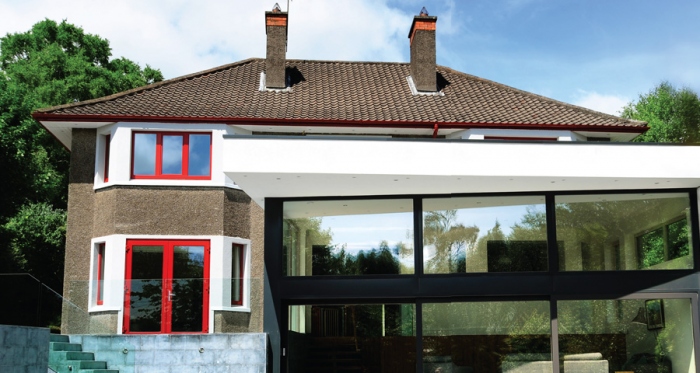
The vast majority of energy upgrade projects aim for low hanging fruit measures, and risk locking buildings and their occupants into needlessly high energy usage, environmental impact and discomfort. This recent home upgrade on the outskirts of Cork City shows what truly deep retrofit looks like.
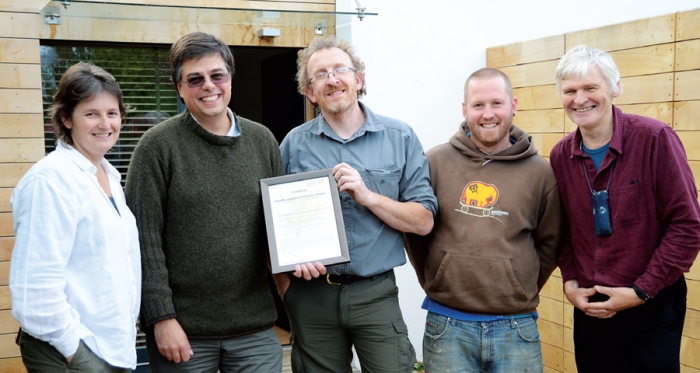
If you’ve ever wondered what it’s like to live in a passive house, a B&B in Devon could be just the ticket. The winner of the private housing award at the 2013 UK Passivhaus Awards, this upgraded 1970s home proves that even existing buildings can be made passive.

Turning an old Victorian home into a passive house is a painstaking job that would frighten many building professionals. But the team behind this innovative retrofit didn't just end up with a certified passive house, they got one of the lowest energy dwellings in the UK.
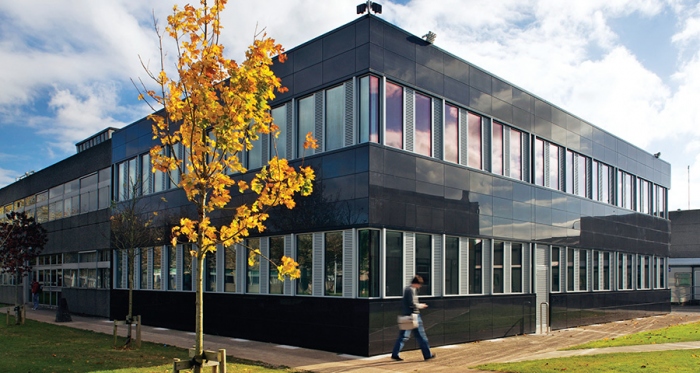
A recently completed pilot project by Cork Institute of Technology may be a model for bringing untenably inefficient and uncomfortable office buildings up to near zero energy performance levels.
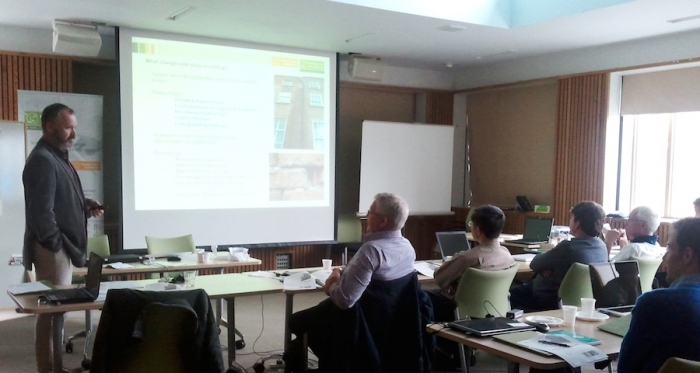
Sustainable building pioneers The Green Register will run a new half-day seminar in London on 27 June 2014 entitled ‘Achieving energy efficiency and preserving historic buildings - surely too good to be true?’

The Minister for Communications, Energy and Natural Resources launched the energy policy green paper for Ireland on May 12, marking the beginning of a ten-week public consultation on the future shape of Ireland’s energy policy.
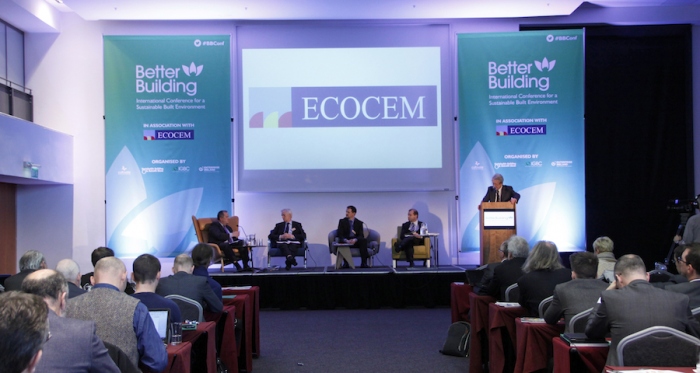
Last week's Better Building conference in Dublin heard from experts speaker on the present and future of the construction industry in Ireland. Topics at this year’s conference pushed the building industry to think beyond energy efficiency and consider full life cycle costs of materials, transportation issues, and living buildings.
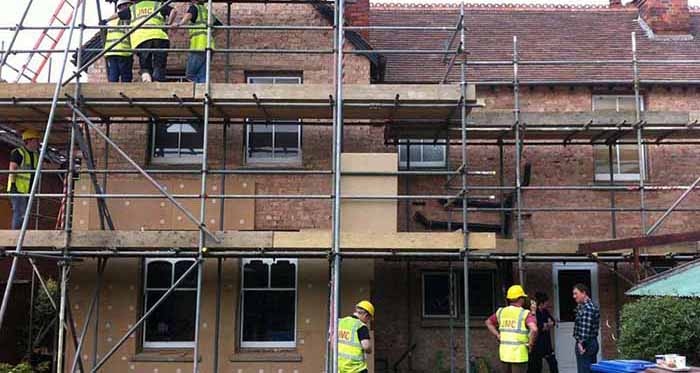
Four industry leaders will launch their drive for better retrofit standards across the UK at Ecobuild next week with a pledge to assure the post-retrofit performance of traditional solid wall buildings.
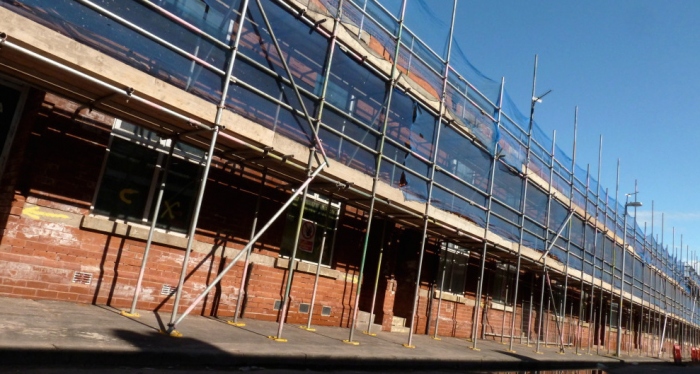
SEAI last week announced that Better Energy Homes, its home energy upgrade grant programme, would continue through 2014.