Ireland's most airtight house?
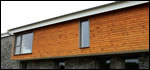
An experienced timber framer with an eye for detail, Tim O'Donovan set about building a low energy stick-built home in the Cork countryside and achieved a staggering level of airtightness.
Words: Lenny Antonelli

Welcome to the archive of Construct Ireland, the award-winning Irish green building magazine which spawned Passive House Plus.
The feature articles in these archives span from 2003 to 2011, including case studies on hundreds of Irish sustainable buildings and dozens of investigative pieces on everything from green design and building methods, to the economic arguments for low energy construction.
While these articles appeared in an Irish publication, the vast majority of the content is relevant to our new audience in the UK and further afield. That said, readers from some regions should take care when reading some of the design advice - lots of south facing glazing in New Zealand may not be the wisest choice, for instance.
Dip in, and enjoy!
An experienced timber framer with an eye for detail, Tim O'Donovan set about building a low energy stick-built home in the Cork countryside and achieved a staggering level of airtightness.
Words: Lenny Antonelli
Richard Douthwaite looks at the viability of heat pumps, and the factors that could determine their future role in a changing energy landscape.
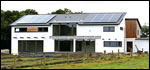
Nothing focuses the mind like a target. The growing impact of Building Energy Ratings (BER) is increasingly encouraging Irish people to aim for the highest energy rating they can. Patrick and Niamh Daly’s house in Mullingar takes this trend to the next level, using a myriad of sustainable green materials and technologies to become a net energy producer and go beyond the limit of the BER scale. John Hearne visited the nearly completed house to find out more.
Earlier this year constructireland.ie broke the news of the introduction of the pilot Home Energy Saving Scheme, a new grant funding programme designed to stimulate the en masse refurbishment of Ireland’s poorly performing existing housing stock. John Hearne travelled to one of the pilot areas to see how the scheme is working on the ground, and discover how the scheme is developing.


As the new-build sector grinds to a halt a window of opportunity has opened for builders, architects and other construction service providers – refurbishing Ireland’s existing housing stock. Jason Walsh visited an end-terrace house in inner city Dublin to see just how significant the improvements can be.

Upgrading and extending a semi-detached house on a tight site in Limerick required ingenuity from architect Patti O’Neill.